

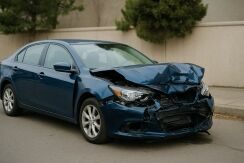
Short answer: The rear driver is often responsible for an Idaho rear-end collision, but fault is not automatic. Idaho Code § 49-638 requires a reasonable and prudent following distance in light of speed, traffic, and road conditions. Evidence of an unsafe lane entry, reversing, defective brake lamps, an unreasonable stop, or a chain reaction may […]
Short answer: Idaho law does not prescribe a multiplier, daily rate, or settlement chart for pain and suffering. A claimant must prove the human effects of an injury with credible evidence, and an insurer, judge, or jury evaluates the nature, duration, and practical impact of those effects. Idaho also limits noneconomic damages in many cases. […]
Not automatically. Idaho Code § 49-666 requires motorcycle riders under 18 to wear qualifying protective helmets, while riders 18 and older are not covered by that helmet mandate. Helmet use does not answer who caused the vehicles to collide. A party may still dispute whether nonuse affected a particular injury, but as of September 2, […]

Short answer: Idaho does not give a dog one consequence-free bite. Under Idaho Code § 25-2810(11), an owner—or a person who accepted responsibility for the dog as its possessor, harborer, or custodian—may be civilly liable when the dog attacks or injures a person who was not trespassing and the dog was not physically provoked or […]

Direct answer: Idaho law does not set one settlement duration for every personal injury claim, and a responsible estimate cannot be made from the accident date alone. Timing depends on what the claim is still waiting for: evidence, a medical assessment, insurance and party identification, loss documentation, negotiation, court scheduling, or settlement paperwork. A filing […]
Short answer: Fault after an Idaho car accident is determined from evidence of each person’s conduct, the duties that applied, causation, and damages—not from a single ticket, police-report box, or insurer’s opinion. During a claim, the parties and insurers take positions and may negotiate an allocation. If a lawsuit does not settle, the factfinder decides […]

Most Idaho personal-injury and wrongful-death lawsuits have a two-year filing deadline under Idaho Code § 5-219. The period usually runs from the occurrence, act, or omission—not the end of treatment or insurance negotiations. Property-damage claims generally have three years. Government claims can also require notice within 180 days, and tolling exceptions are narrow. Because claims […]
Direct answer: You may have an Idaho personal injury claim if another person or organization owed a legal duty, failed to meet it, caused an injury, and left you with a loss the law recognizes. Evidence, shared fault, filing deadlines, insurance, and the identity of every potentially responsible party can change the analysis. An injury […]

Short answer: If the caller represents the other driver, you can confirm basic contact and crash information without agreeing on the spot to a recorded interview, broad medical authorization, or settlement. If the caller represents your insurer, the analysis is different because your policy may require notice, cooperation, and supporting information. In either situation, be […]

Short answer: After an Idaho rear-end collision, check for immediate danger and call 911 when needed. Stop, move out of traffic only when it is safe and lawful, exchange identifying and insurance information, document the scene, and report the crash as required. Preserve original records and notify the applicable insurer. A healthcare professional—not vehicle damage […]